GetYourGuideFull day
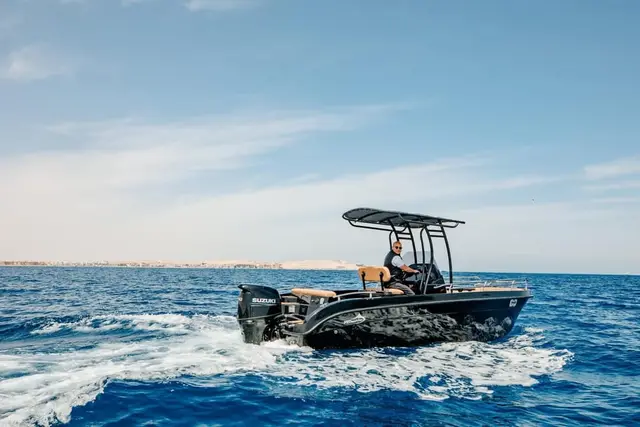
Hurghada: 3 Islands, Dolphins & Snorkel Yacht Trip w/ Lunch
4.7 (9,195)
from $45Check dates
PlanPlan · Weather and sea
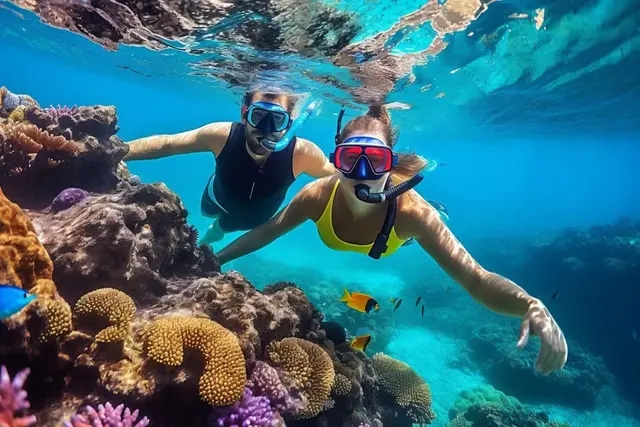
October and November are the best months for a snorkeling holiday in Hurghada: the sea is still 26–28 °C and the midday heat has eased. Snorkeling works all year, but there is no calm season, and the water is coolest in February and March, not January.
Giftun Kebir
20 min by speedboat · 45 min by yacht
Updated 20 October 2026Facts checked against official sourcesContains affiliate links
12 options · Prices checked on 20 October 2026
Nothing with those filters.
GetYourGuideFull day
4.7 (9,195)
from $45Check dates
GetYourGuideFull dayOrange Bay
4.9 (7,075)
from $53Check dates
GetYourGuide4 h
4.6 (4,362)
from $45Check dates
GetYourGuideFull day
4.8 (2,710)
from $45Check dates
GetYourGuideFull dayOrange Bay
4.9 (1,398)
from $69Check dates
GetYourGuide5 hOrange Bay
4.7 (1,612)
from $240 per boatCheck dates
GetYourGuideFull day
4.4 (2,094)
from $27Check dates
GetYourGuide6 hOrange Bay
4.6 (1,616)
from $27Check dates
GetYourGuideFull dayOrange Bay
4.8 (1,152)
from $37Check dates
GetYourGuide5 h
4.5 (1,594)
from $44Check dates
GetYourGuide5 hOrange Bay
4.7 (1,238)
from $197 per boatCheck dates
GetYourGuideFull dayParadise Island
4.6 (1,247)
from $44Check dates
The best time to visit Hurghada for snorkeling depends on what you mind most: cool water, fierce heat or wind. The Red Sea here never gets cold by European standards, the sun shines every day and rain almost never stops a boat. What changes through the year is the water temperature, the air temperature at midday, and how often the north wind turns the crossing to Giftun into a bumpy ride.
In short: October and November give you the warmest combination of sea and air without the summer furnace. April to June comes close, with slightly cooler water. July and August have the warmest sea and the hottest days. December to March is the coolest stretch for swimming, so bring or rent a shorty. Every month has good boat days and bad ones, because the wind blows all year.
Sea temperature off Hurghada, measured in the open water between the town and Giftun, runs from about 22.5 °C at its coolest to about 29 °C at its warmest. These are long-term monthly averages from NOAA's satellite and buoy record (NOAA OISST); the table shows them alongside air temperature, sunshine and wind.
| Jan | Feb | Mar | Apr | May | Jun | Jul | Aug | Sep | Oct | Nov | Dec | |
|---|---|---|---|---|---|---|---|---|---|---|---|---|
| Sea °C | 23 | 23 | 23 | 23 | 25 | 26 | 28 | 29 | 28 | 28 | 26 | 25 |
| High °C | 22 | 24 | 26 | 30 | 34 | 36 | 37 | 38 | 35 | 32 | 28 | 24 |
| Low °C | 12 | 12 | 15 | 19 | 23 | 26 | 28 | 28 | 26 | 22 | 18 | 13 |
| Sun h/day | 8.6 | 9.8 | 8.8 | 9.5 | 10.2 | 11.6 | 11.4 | 10.4 | 10.1 | 8.9 | 8.8 | 8.0 |
| Wind km/h | 19 | 19 | 20 | 19 | 22 | 20 | 20 | 20 | 22 | 19 | 17 | 18 |
| Rainy days | 0.2 | 0.0 | 0.2 | 0.0 | 0.1 | 0.0 | 0.0 | 0.0 | 0.0 | 0.2 | 0.1 | 0.1 |
Sources: WMO normals 1991–2020, Hurghada (NOAA NCEI) ↗ · WMO normals 1961–1990, Hurghada (NOAA, archived) ↗ · NOAA OISST v2.1 (CoastWatch ERDDAP) ↗
How to read the numbers:
The figures are surface temperatures in open water. Shallow lagoons, such as the water off Orange Bay or the Paradise beach, warm up faster on summer afternoons and cool faster on winter nights. On a reef at 5–10 m it can be about a degree cooler than the surface. In recent years the summer sea has run about half a degree warmer than the long-term average.
There is no bad month for a boat day, only months that suit different people. The chart rates each month on what matters for snorkeling.
| Jan | Feb | Mar | Apr | May | Jun | Jul | Aug | Sep | Oct | Nov | Dec | |
|---|---|---|---|---|---|---|---|---|---|---|---|---|
| Warm water without a wetsuit | Poor | Poor | Poor | Poor | Good | Best | Best | Best | Best | Best | Best | Poor |
| Comfortable air on a boat day | Good | Good | Best | Best | Good | Poor | 0 | 0 | Poor | Good | Best | Good |
| Lower wind on average | Good | Good | Good | Good | Poor | Good | Good | Good | Poor | Good | Best | Best |
| Overall for snorkeling | Poor | Poor | Poor | Good | Good | Good | Good | Good | Good | Best | Best | Good |
PoorGoodBest
December to February. Daytime highs of about 22–24 °C and nights down to about 12 °C make this the mildest time on land, and December is one of the calmest months on average. The catch is the water: 22–25 °C feels cool after 20–30 minutes face-down, especially for children. A shorty or a 3 mm suit makes the difference. Boats run normally; if the weather is going to close the port, it is most likely in winter or spring.
March to May. The sea is at its coolest in March and only starts to warm in May. Air temperatures climb from about 26 °C to about 34 °C. March and April are also the season of the hot, dusty spring wind known as the khamsin, with the most days of blowing sand. May is one of the two windiest months on average. A good time for warm days ashore, a slightly chilly one in the water.
June to September. The sea is at its warmest, 26–29 °C, and you will not want a wetsuit. But July and August reach about 37–38 °C at midday, and the sun is fierce: shade on the boat matters more than shade on the beach. September is the other windiest month on average. Choose a morning or half-day trip with children, and a yacht with a covered deck over a speedboat.
October and November. The sea is still warm, about 26–28 °C, and the air drops from about 32 °C to about 28 °C. November is one of the two calmest months on average. For most people this is the best time to visit Hurghada for snorkeling.
Hurghada is windy, and it is windy all year. The long-term average is about 11 knots (about 20 km/h), almost always from the north-west to north, and it barely changes from month to month. On average the windiest months are May and September and the calmest are November and December, but the difference is small. Afternoons are windier than mornings.
That has practical consequences for the day you book:
If you suffer from seasickness, choose the morning, a big yacht and a short crossing. Sit in the middle of the boat, look at the horizon and skip the heavy breakfast and alcohol; tablets or patches from a pharmacy help (NHS advice). The semi-submarine, with its 15-minute sail, is the gentlest way to see a reef.
When the weather turns bad, it is not your operator who decides. The Red Sea Ports Authority closes Hurghada port, and then every boat stays in. Reported closures came at about 22–30 knots of wind with waves of 2–4 m, and they usually lasted one to three days, mostly in winter and spring (Egypt Independent report). Closures are occasional; they are not a weekly event in any season.
Notice can be short. The way to protect your holiday is simple: book your main boat day early in the trip, so a closure leaves you time to go another day.
| Platform | Listing | Rating | Price | Where |
|---|---|---|---|---|
| GetYourGuide | HRG: Orange Bay Island with Snorkeling, Lunch and Drinks · Full day | 4.9 (6,122) | $26 Lowest | See on GetYourGuide |
| Headout | Orange Bay Island: Boat Trip with Snorkeling, Meals & Transfers · Full day | 4.6 (109) | $29 | See on Headout |
| Tiqets | Hurghada: Orange Bay Island Cruise + Snorkeling + Lunch · Full day | 4.0 (3) | $31 | See on Tiqets |
Lowest price per person in US dollars, checked on 20 October 2026. Boat, island, lunch, pick-up area and what is included differ between listings: open each one before you pay.
The comparison shows the same Orange Bay yacht day on three platforms. GetYourGuide is the cheapest today, but the boat, the pick-up area and the inclusions may differ between listings, so read each one before you book.
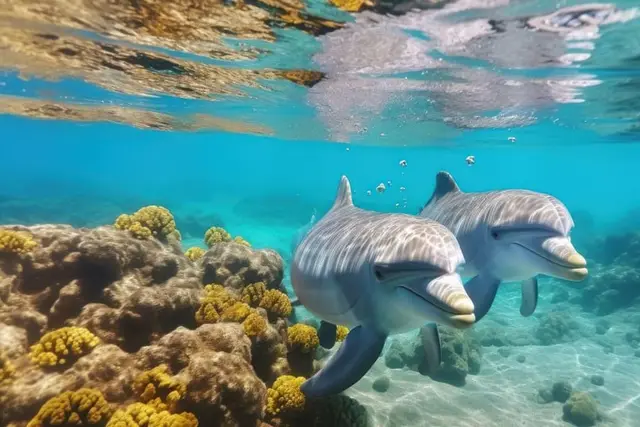
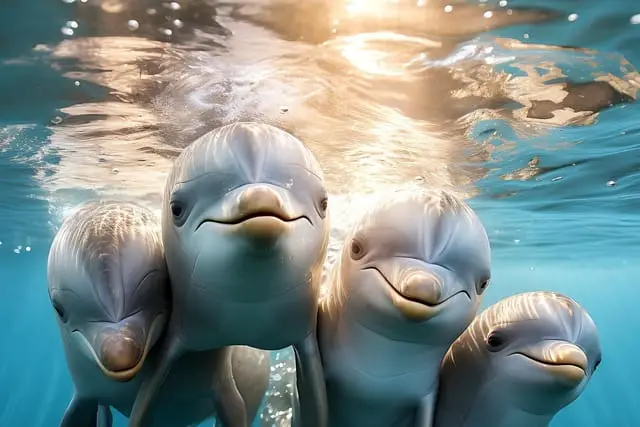
Dolphins. No season for dolphins is published, and nobody can honestly give you sighting odds. Dolphins are wild: some days they are there and calm, some days not, and no operator can promise them. What is known is how they use the reefs. At Sha'ab El Erg, Hurghada's Dolphin House, mostly Indo-Pacific bottlenose dolphins, sometimes spinners, rest by day and move in and out through the reef channel at dawn and dusk.
So the weather matters more than the month. Dolphin House is an exposed reef: on windy days captains skip it or swap the stop, and the crossing of about 1.5 hours by day yacht is the roughest of the standard trips. Pick a calm forecast, ideally early in your holiday so you can move the date. A good boat keeps at least 30 m from the dolphins, never chases them and lends you a lifejacket, as the HEPCA dolphin code requires. Our dolphin trips guide explains how to choose one.
Turtles. There is no published turtle season either. Turtles are part of the reef life at Giftun, Abu Ramada, El Fanous and Dolphin House, and they are reported most often at Abu Ramada and Magawish. Ask the seller which reefs the boat stops at; the best snorkeling spots guide lists them. Never touch or chase a turtle.
The sun shines 8–12 hours a day in every month, and UV is moderate to high even in winter and very high around midday from May to August. Face-down snorkeling with a wet back burns fast, so a rash guard and leggings protect you better than any cream; use mineral sunscreen on the rest.
In July and August, take the heat seriously. Drink bottled water, keep children in the shade between 10:00 and 16:00, and choose trips with a covered deck. For family planning, see Hurghada with children.
The time of day matters as much as the month. Mornings are calmer and the water is clearer. On the big Giftun beaches the crowd builds from late morning, when the yachts land after their two reef stops: Orange Bay is busiest from about 11:00. A speedboat, an early boat or a half-day trip gets you there first.
Afternoons are windier, and in summer the heat peaks then. Sunset trips are timed to get back to port before dark, because boats may not return in darkness. If you want a shorter day, look at half-day and sunset trips, and read the duration rather than the title: some "sunset" listings are 5–9-hour days.
Ramadan falls in late winter in the coming years (around February–March); check the dates for your trip. Boats keep running. Ashore, eating, drinking or smoking in public in daylight is seen as insensitive, opening hours change and driving around dusk can be erratic, the FCDO notes.
The Eid holidays bring many Egyptian families to Hurghada, and the Giftun beaches fill up. If your dates fall on Eid, book early and expect busier boats.
Diving follows the same calendar as snorkeling, with one difference: at depth the water can be about a degree cooler than at the surface, so you feel the winter months more. There are no official visibility statistics for Hurghada. In practice the outer reefs stay clearest, while shallow lagoons cloud over on windy days.
If you plan a try dive, do it early in your holiday. Divers Alert Network (DAN) advice is no flying for 12 hours after a single dive and 18 hours after several (DAN guidance). On a boat in Egypt, an intro dive must be one instructor to one guest; ask "1:1?" before you pay. Our snorkeling and diving guide covers the rest.
Any of these runs all year. In winter, add a shorty; in a north wind, prefer the yacht days.
Good boat days in any month
1
Most people, all year
The best-value Orange Bay yacht day, with about two hours on the beach and lunch.
GetYourGuideFull dayOrange Bay
4.9 (6,122)
from $26Check dates
2
A full day out
Orange Bay, Giftun and Magawish in one yacht day; best on calm days.
GetYourGuideFull day
4.7 (9,195)
from $45Check dates
3
Comfort on a windy day
A yacht day with lunch and a massage; a yacht rides out a north wind better than a speedboat.
GetYourGuideFull dayOrange Bay
4.9 (7,075)
from $53Check dates
GetYourGuideFull dayOrange Bay
4.9 (6,122)
from $26Check dates
GetYourGuideFull day
4.4 (2,094)
from $27Check dates
GetYourGuide6 hOrange Bay
4.6 (1,616)
from $27Check dates
GetYourGuideFull dayOrange Bay
4.8 (1,152)
from $37Check dates
See all trips on GetYourGuide →Prices checked on 20 October 2026
For snorkeling, October and November: the sea is still about 26–28 °C and the midday heat has eased. April to June is a close second, with slightly cooler water.
About 25 °C on average, dropping towards 23 °C in January. A shorty or a 3 mm suit keeps longer swims comfortable.
Cool rather than cold. February and March are the coolest months at about 22.5 °C, January is about 23 °C. A shorty makes it comfortable.
About 27–28 °C in October and about 26 °C in November, warmer than in May. Both are good months for snorkeling without a wetsuit.
Yes. The wind blows at about 11 knots from the north or north-west all year; there is no calm season. May and September are the windiest months on average, November and December the calmest.
No season is published and no one can promise a sighting. Pick a calm day, as Dolphin House is an exposed reef, and book early in your holiday so you can move the date.
Occasionally. The Red Sea Ports Authority closes the port in strong wind, usually for one to three days and mostly in winter and spring. Book your main boat day early in the trip.
Booking calendars Our pages show live calendars from GetYourGuide and Tiqets, which may set cookies. You can load them automatically or only when you click. Cookie policy